Learn
Learning at museums, science centers, libraries, and more.


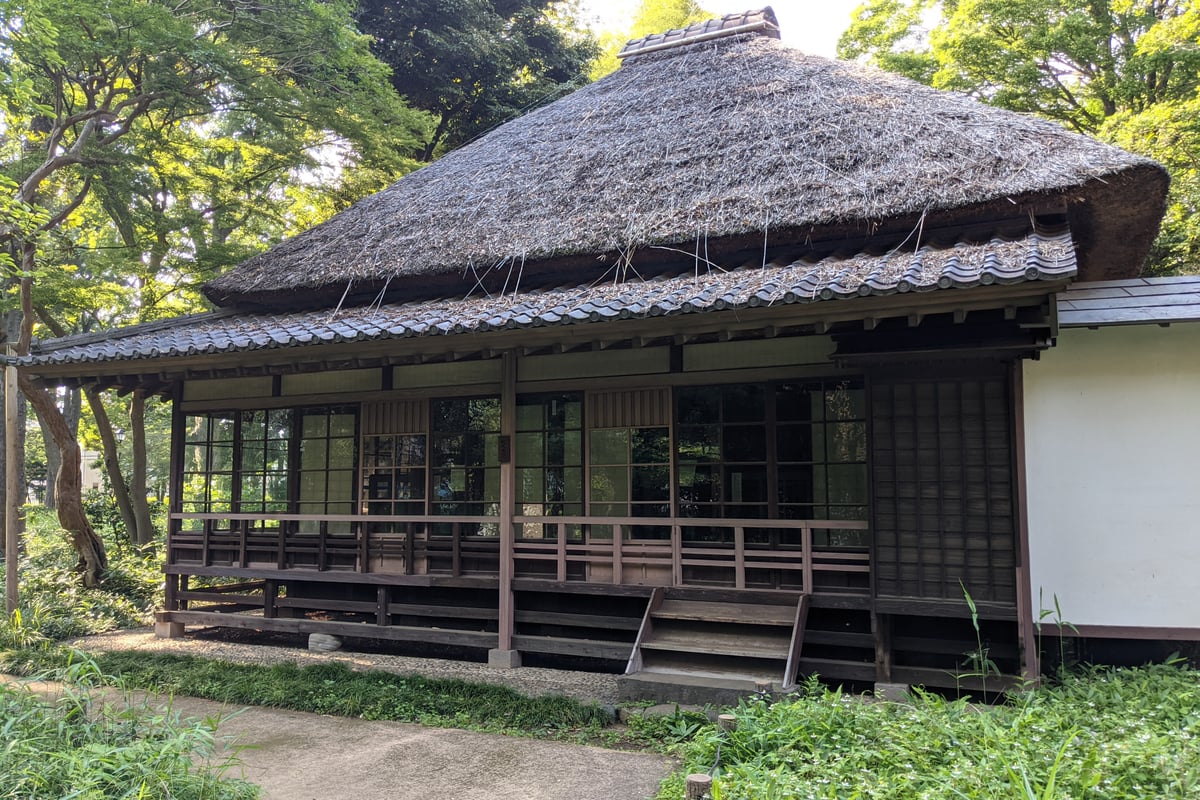
Roka Koshun-en Park蘆花恒春園
A Tokyo metropolitan park that includes the former residence of the novelist Tokutomi Roka, with a grassy plaza surrounded by a grove of trees, a field athletic course, and a children's park. It's a bit further out, a 15-minute walk from Rokakoen Station, but is recommended for families wanting a relaxed time in nature.
🚶 15 min walk from Rokakoen Station
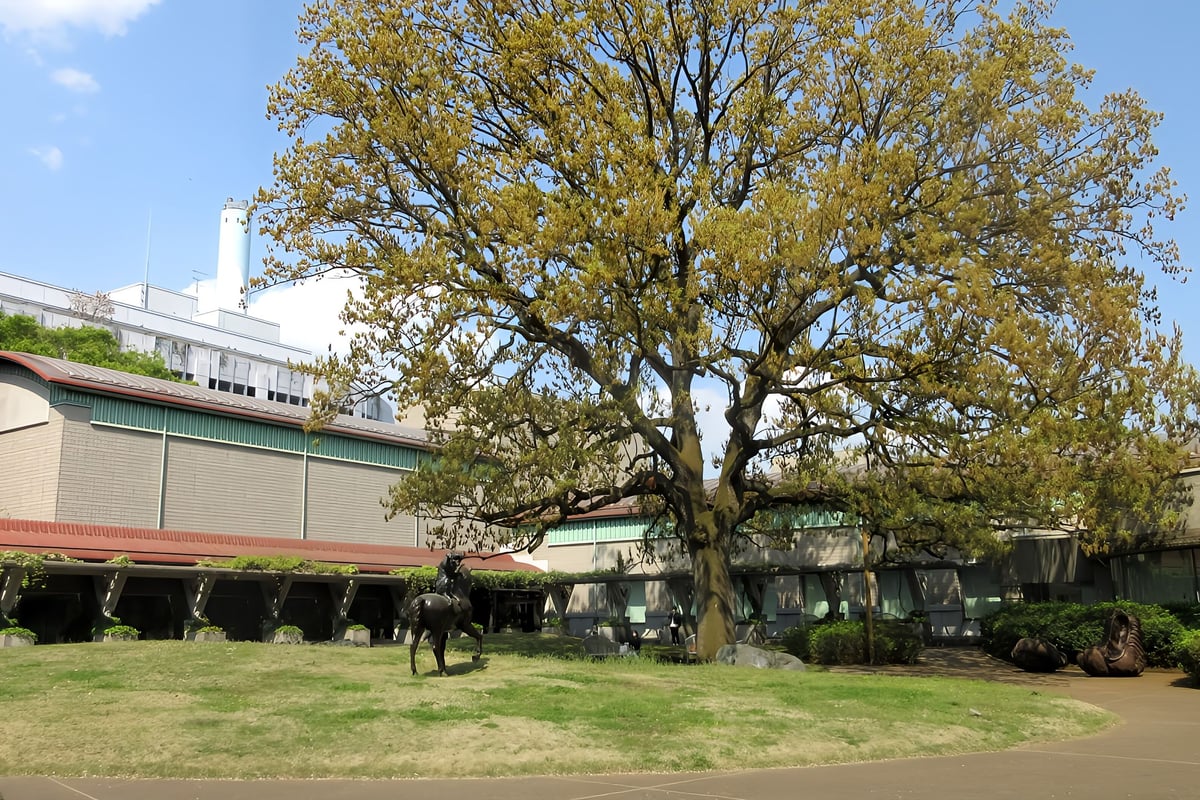
Setagaya Art Museum世田谷美術館
A museum located within Kinuta Park, making it easy to combine with a stroll through the lush greenery. Workshops for children are sometimes held, and the collection exhibition costs only 110 yen for elementary and junior high school students, making it easy to drop by.
🚶 17 min walk from Yoga Station
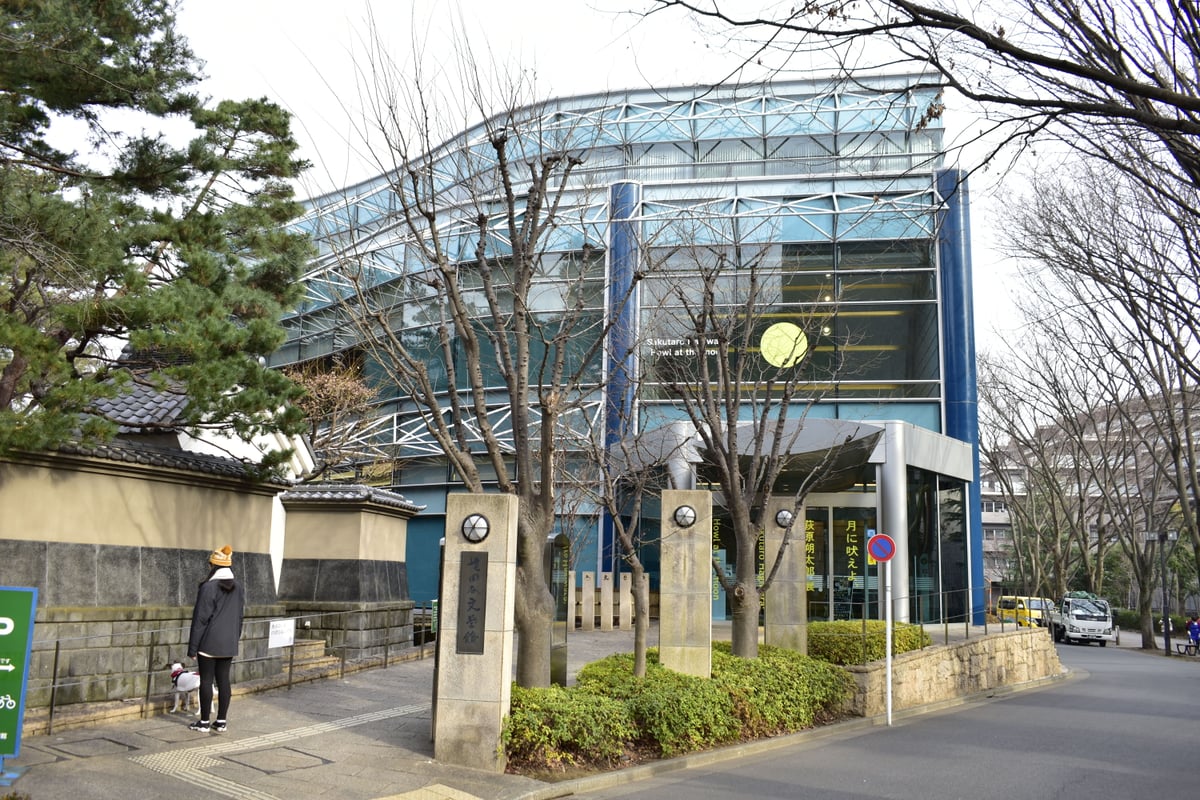
Setagaya Literary Museum世田谷文学館
A literary museum introducing literature and culture connected to Setagaya, which sometimes holds special exhibitions that children can enjoy too, such as original picture-book artwork. It's a five-minute walk from Rokakoen Station, making it easy to reach and a good choice for a rainy day.
🚶 5 min walk from Rokakoen Station
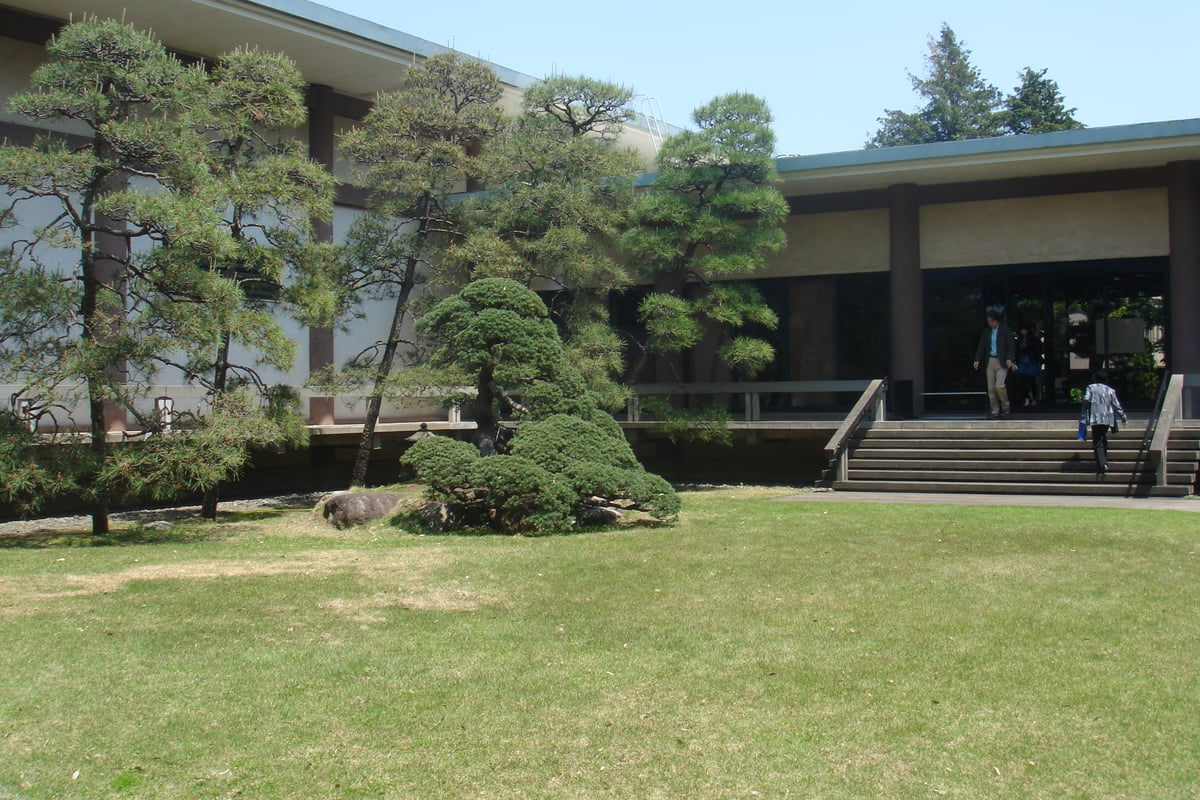
Gotoh Museum五島美術館
A five-minute walk from Kaminoge Station, this museum specializes in classical Japanese and East Asian art and features a lush garden. While the exhibits are mainly geared toward adults, admission is free for junior high school students and younger, and visitors can also just stroll the garden for 300 yen, making it a good option for parents wanting a quiet outing.
🚶 5 min walk from Kaminoge Station
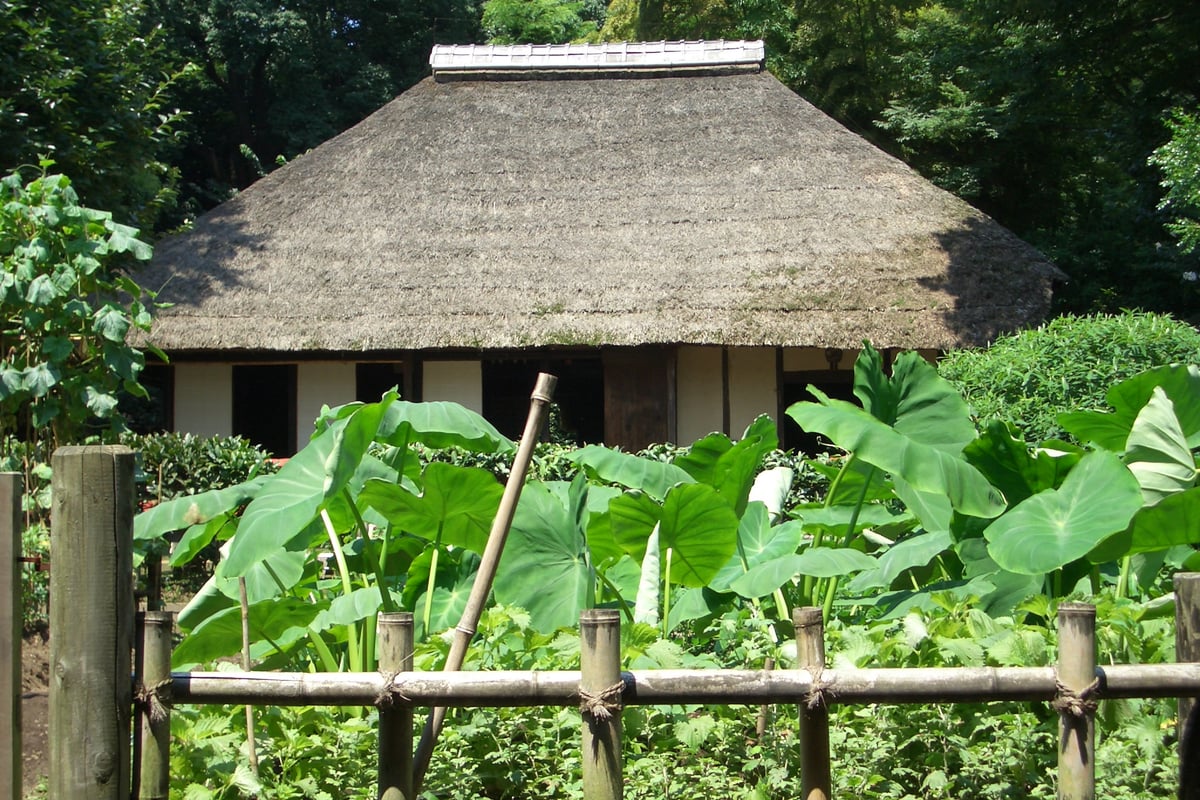
Okamoto Park Minka-en (Old Folk House Garden)岡本公園民家園
An open-air museum preserving and displaying the "former Tochigi family residence," a thatched-roof old folk house from the late Edo period. The old house sits within a garden featuring a bamboo grove and a spring-fed pond, making it a quiet spot that can be visited for free.
🚶 20 min walk from Futako-Tamagawa Station
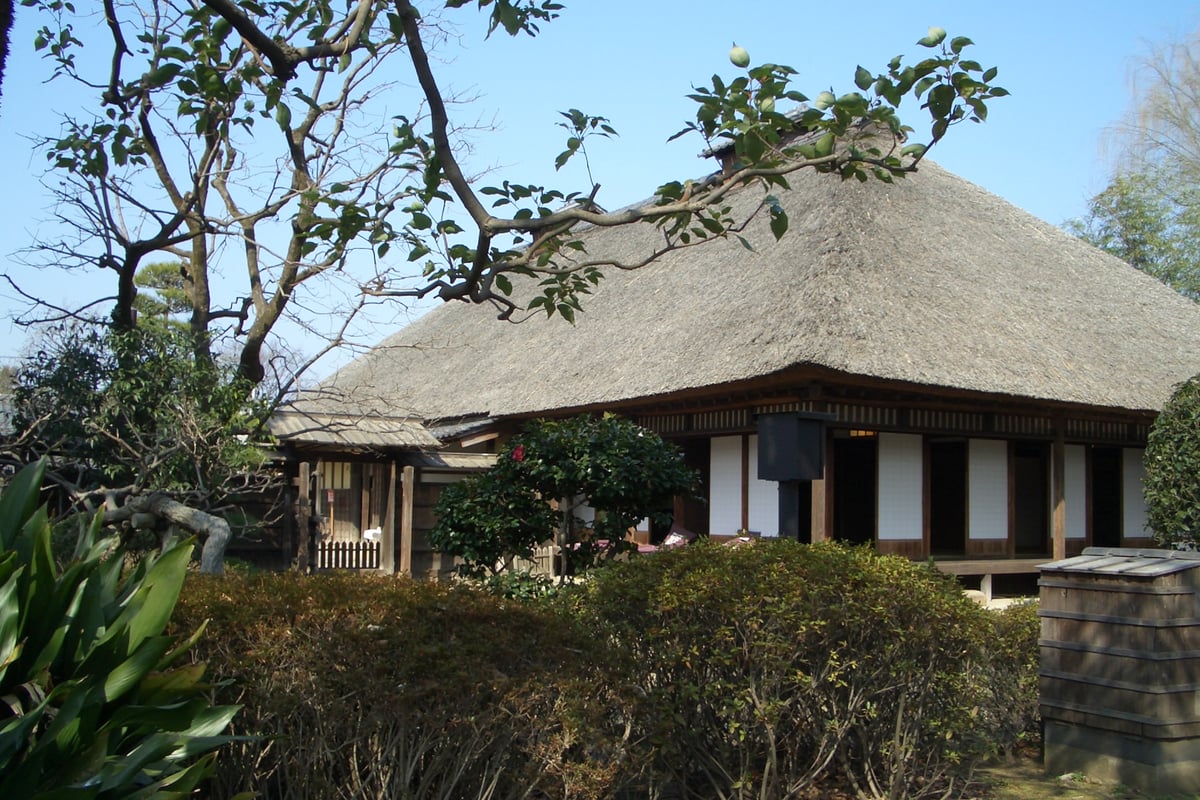
Jidayubori Park Minka-en (Old Folk House Garden)次大夫堀公園民家園
An open-air museum recreating an Edo-period farming village landscape, with restored old folk houses, a water mill, and rice paddies. The grounds are spacious, letting visitors wander freely among the old houses and along the paths between the rice paddies.
🚶 15 min walk from Kitami Station
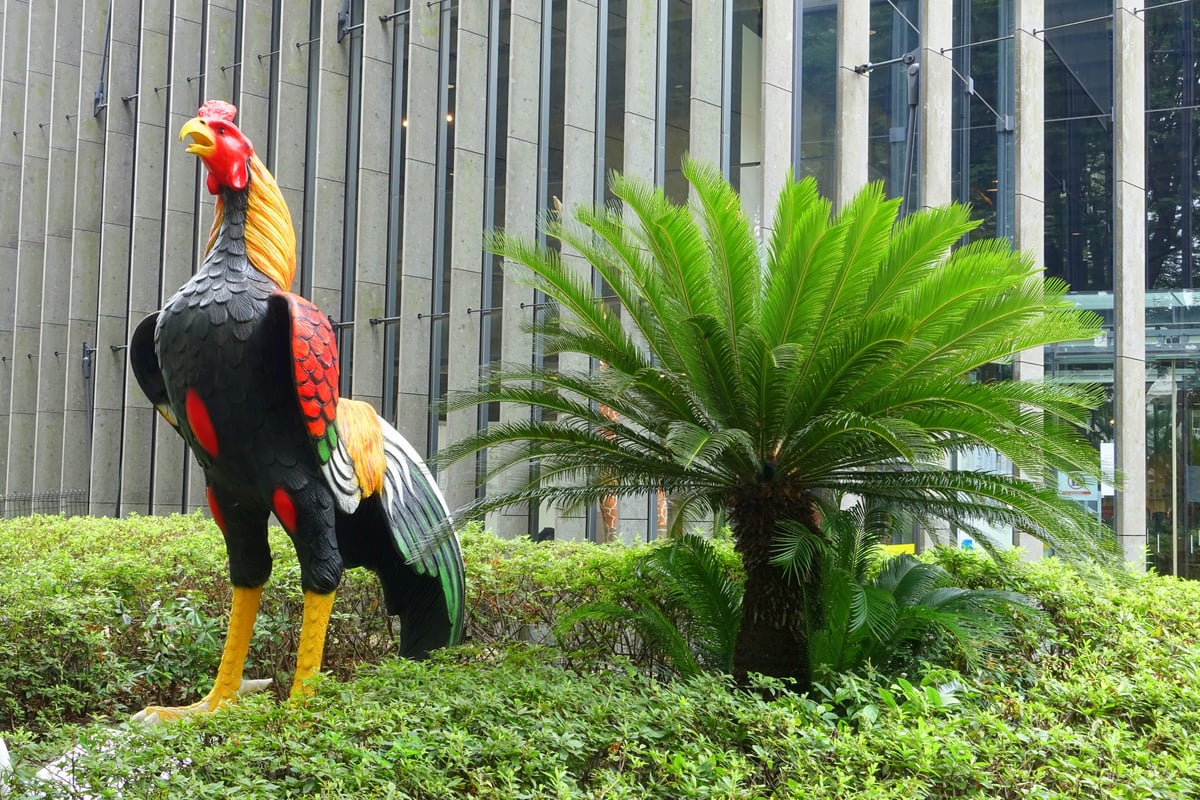
Tokyo University of Agriculture Food and Agriculture Museum東京農業大学「食と農」の博物館
A free museum located on the campus of Tokyo University of Agriculture, with exhibits on agriculture and food as well as a corner where visitors can interact with animals. It's a popular indoor spot for families, even on rainy days.
🚶 20 min walk from Kyodo Station
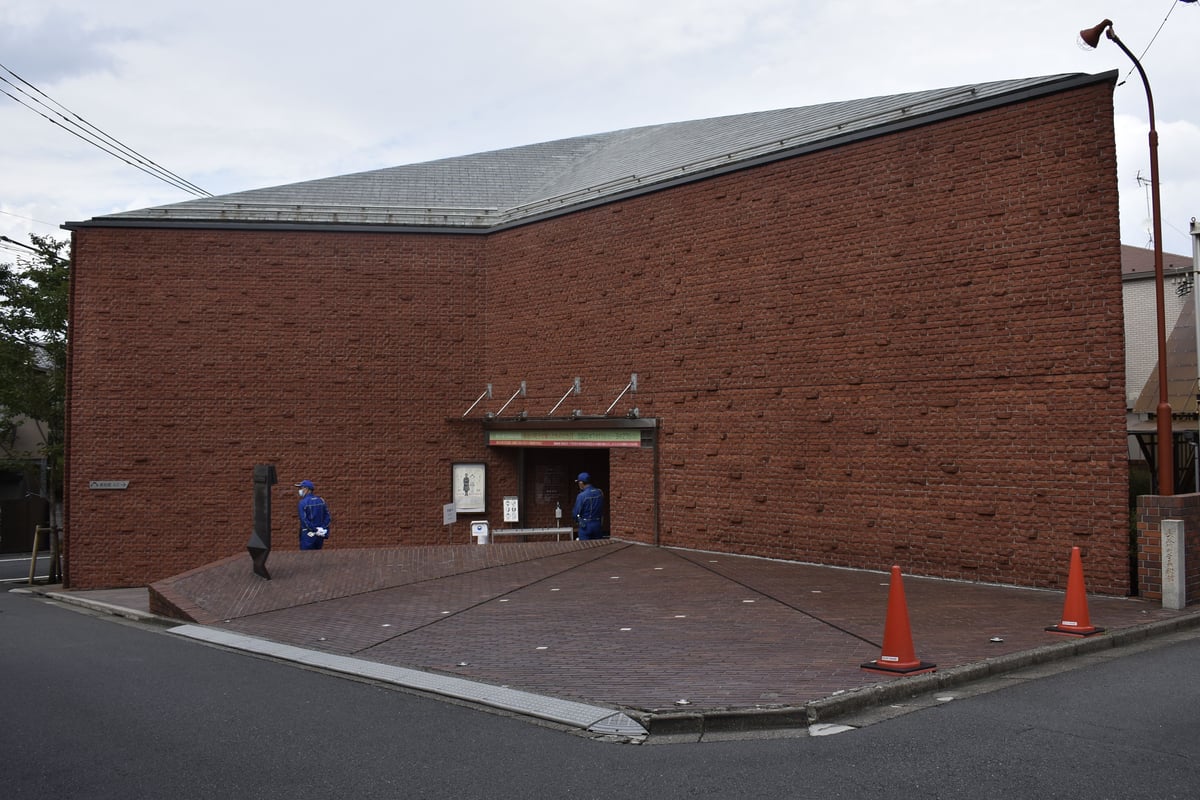
Hasegawa Machiko Museum長谷川町子美術館
A museum displaying the works and collection of Machiko Hasegawa, creator of "Sazae-san." It's a seven-minute walk from Sakurashinmachi Station, making it easy to combine with a stroll through the nearby shopping street lined with bronze statues of the Sazae-san family.
🚶 7 min walk from Sakurashinmachi Station
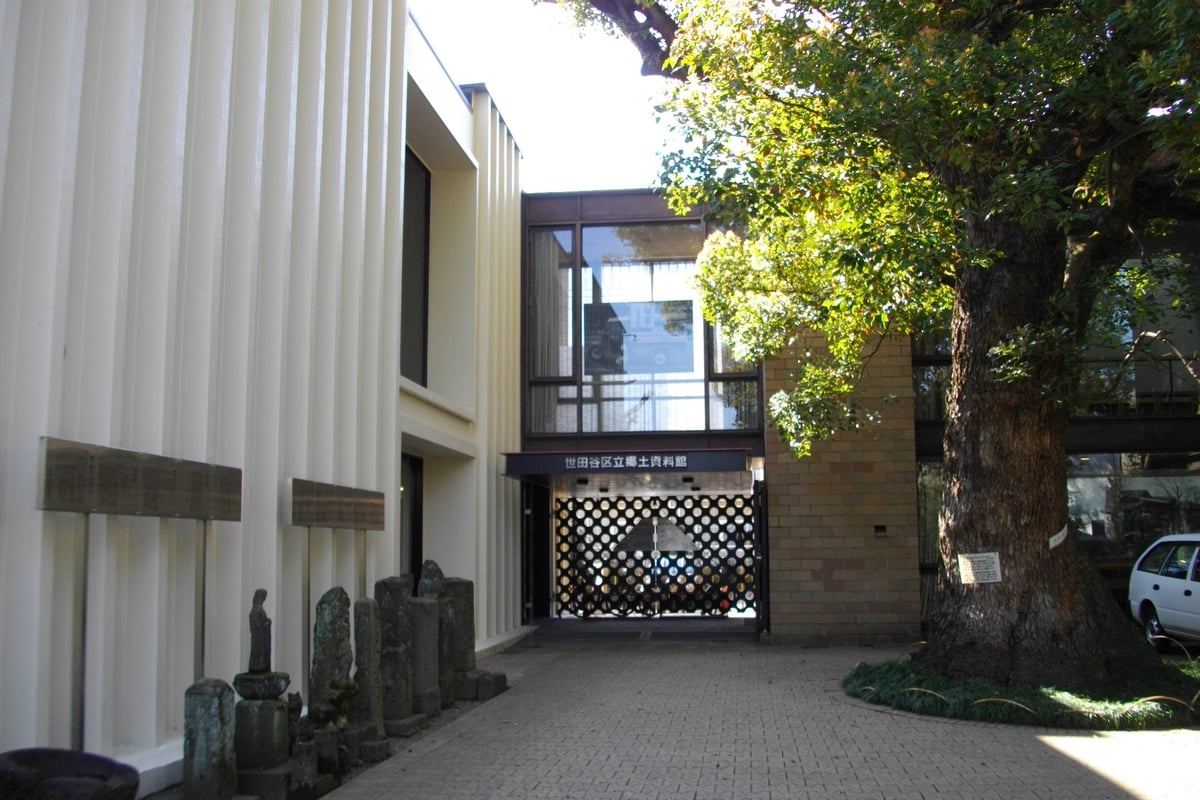
Setagaya Museum of History世田谷区立郷土資料館
A Setagaya City museum introducing the history and daily life of Setagaya, free to visit. It's adjacent to the Setagaya Daikan Yashiki (former magistrate's residence), letting visitors see a historic building along with the exhibits.
🚶 5 min walk from Kamimachi Station
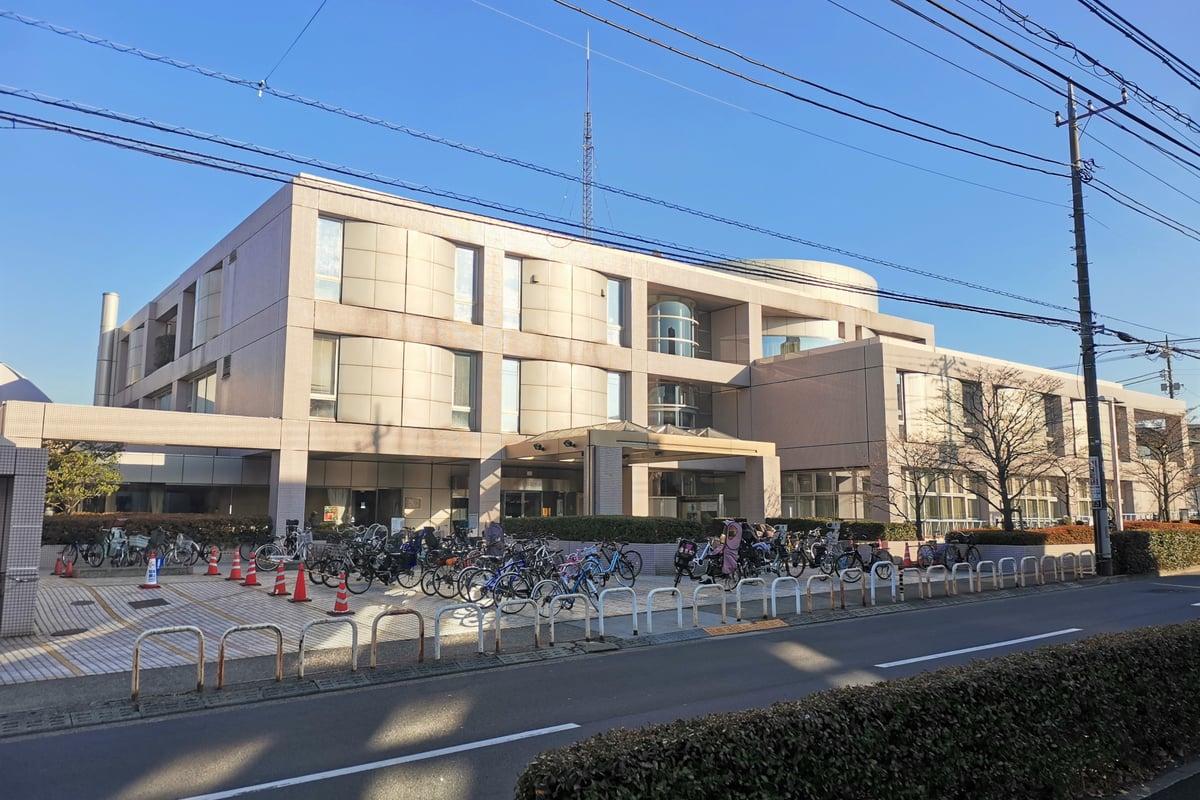
Setagaya Central Library世田谷区立中央図書館
The central library within the Setagaya City library system, with a well-stocked children's book section. Children's events such as story time are also held, making it an easy destination for a rainy day.
🚶 10 min walk from Kamimachi Station
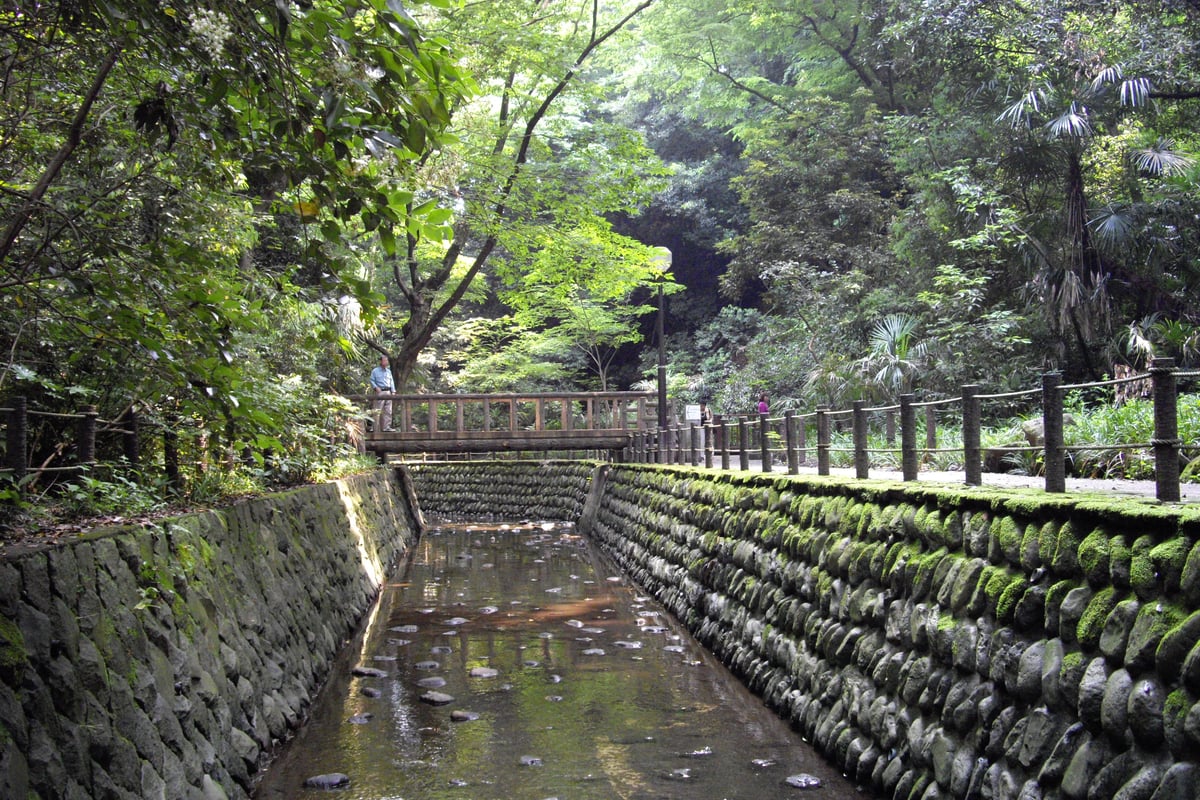
Todoroki Valley Park等々力渓谷公園
A park built around the only ravine within Tokyo's 23 wards. A roughly 1km promenade runs along the Yazawa River, letting visitors enjoy the murmur of the stream and birdsong while surrounded by trees. Adjacent to Todoroki Fudoson temple, a Japanese garden, and a children's park, it's an urban oasis for families to enjoy nature observation and a relaxed stroll together.
🚶 5 min walk from Todoroki Station
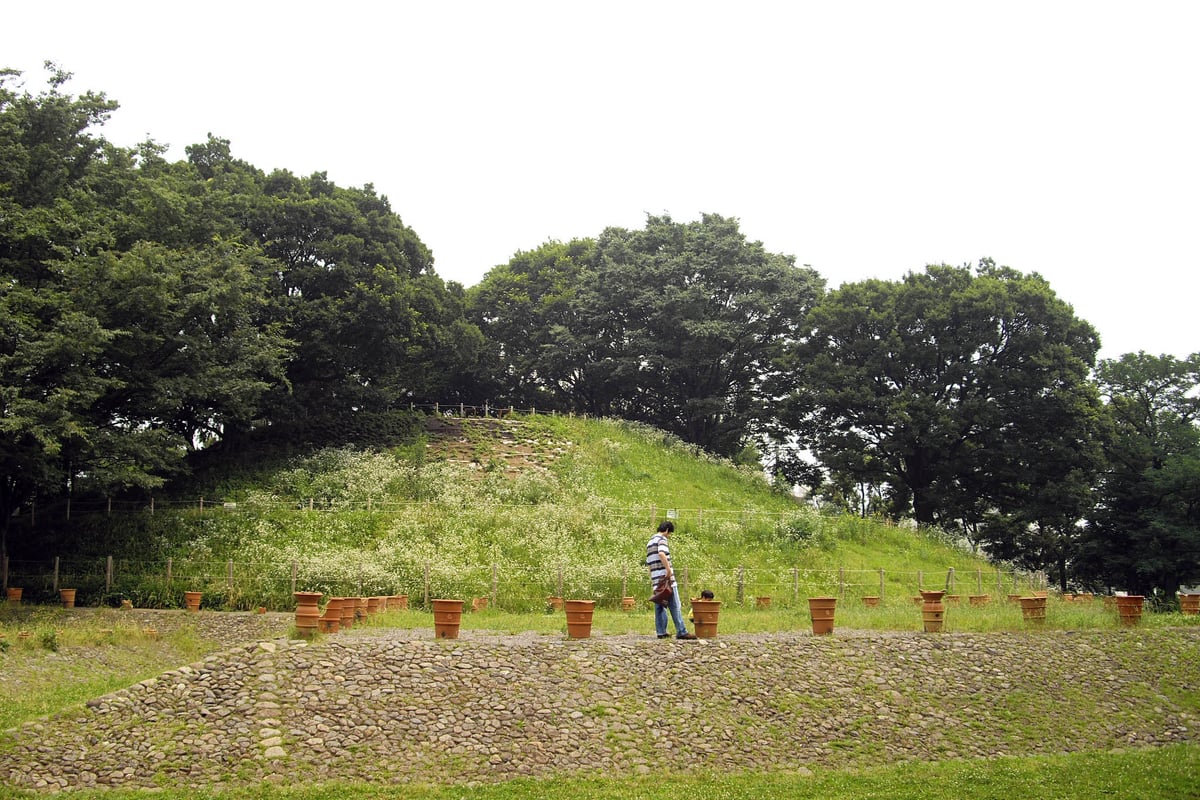
Tamagawa Nogecho Park玉川野毛町公園
A park rich in both history and greenery, home to the Nogeohtsuka Kofun burial mound, a nationally designated historic site. Visitors can climb the mound to enjoy the view or run around the large lawn plaza, combining play with a taste of local history. It's within walking distance of Todoroki Station, so it's also easy to reach.
🚶 10 min walk from Todoroki Station
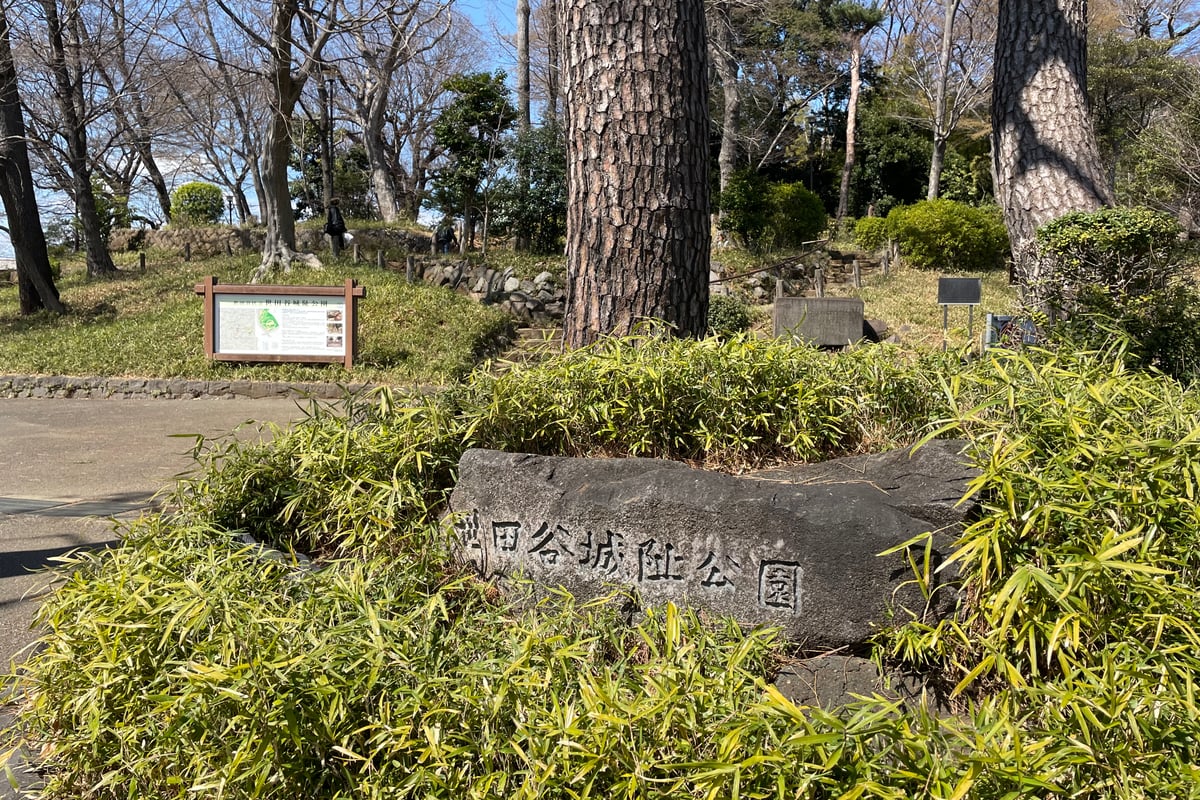
Setagaya Castle Ruins Park世田谷城址公園
A historic-site park believed to have been the location of a castle held by the Kira clan during the Muromachi and Sengoku periods. Traces of the medieval castle, such as dry moats and earthworks, still remain today amid a quiet, green setting perfect for a historical stroll. It's also adjacent to Gotokuji Temple, famous for its beckoning cats, and many families visit both together.
🚶 5 min walk from Miyanosaka Station
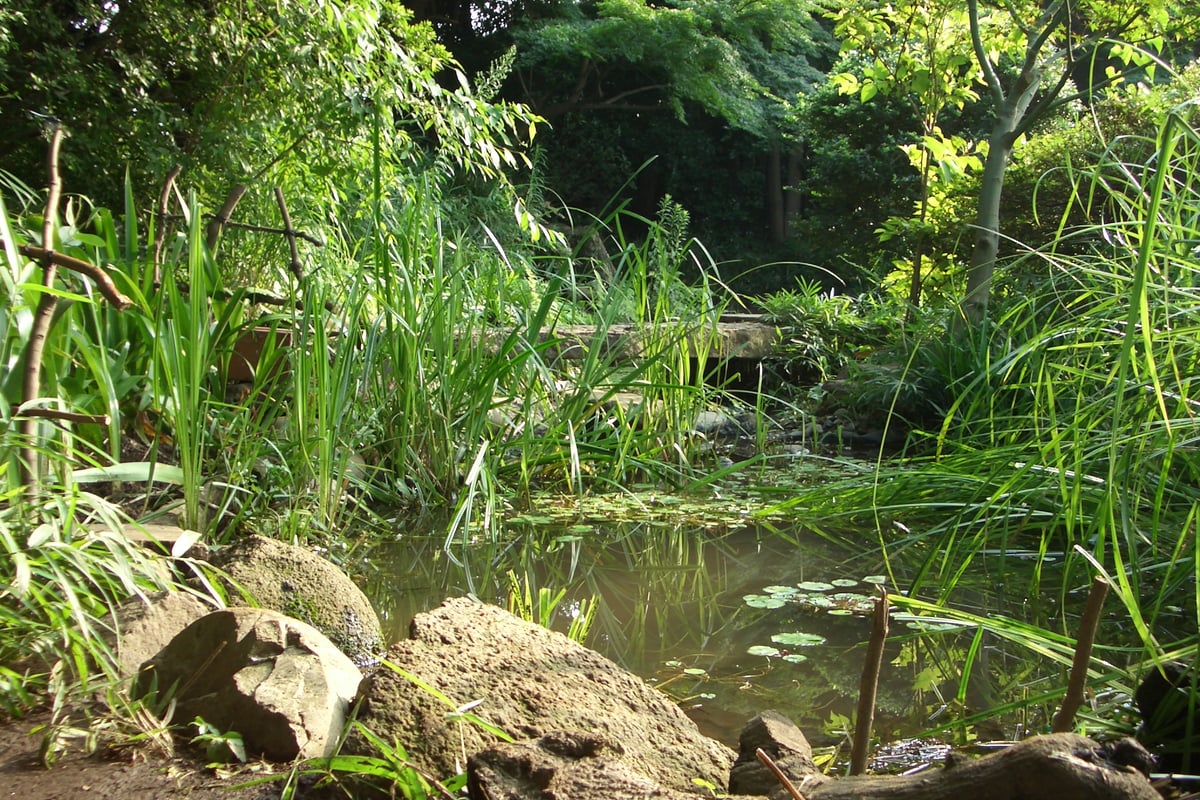
Sakuragaoka Sumireba Nature Garden世田谷区立桜丘すみれば自然庭園
A nature garden developed on the former grounds of a Taisho-era businessman's residence. It features a grove of trees and a stream that preserve the atmosphere of old Musashino, and a resident nature guide can teach visitors about the plants and creatures found there. It's a valuable spot for real nature observation in the middle of the city.
🚶 15 min walk from Chitosefunabashi Station
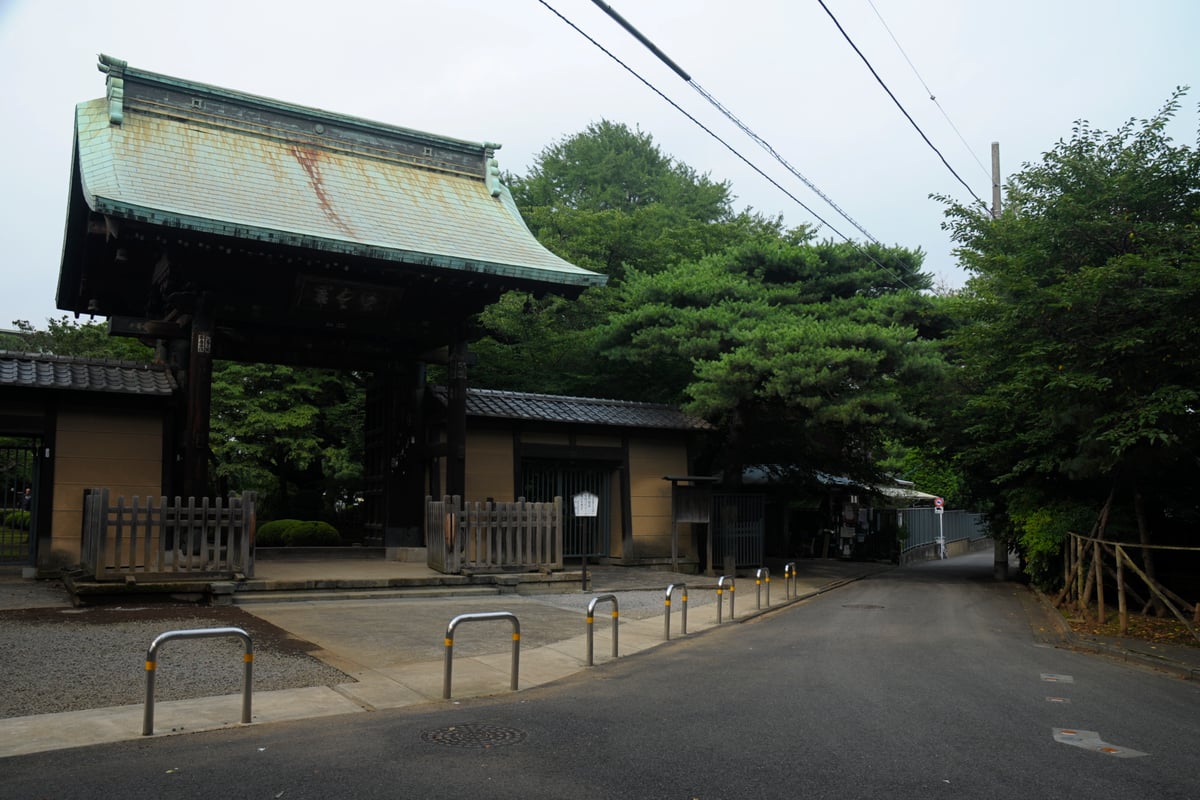
Gotokuji Temple豪徳寺
A renowned Soto Zen temple known as the "birthplace of the beckoning cat." The temple grounds are packed with maneki-neko (beckoning cat) figurines of all sizes, offered by worshippers, and this charming sight is a popular photo spot for children and adults alike. There's also a three-story pagoda and rows of cherry trees, making it enjoyable to stroll year-round.
🚶 5 min walk from Miyanosaka Station
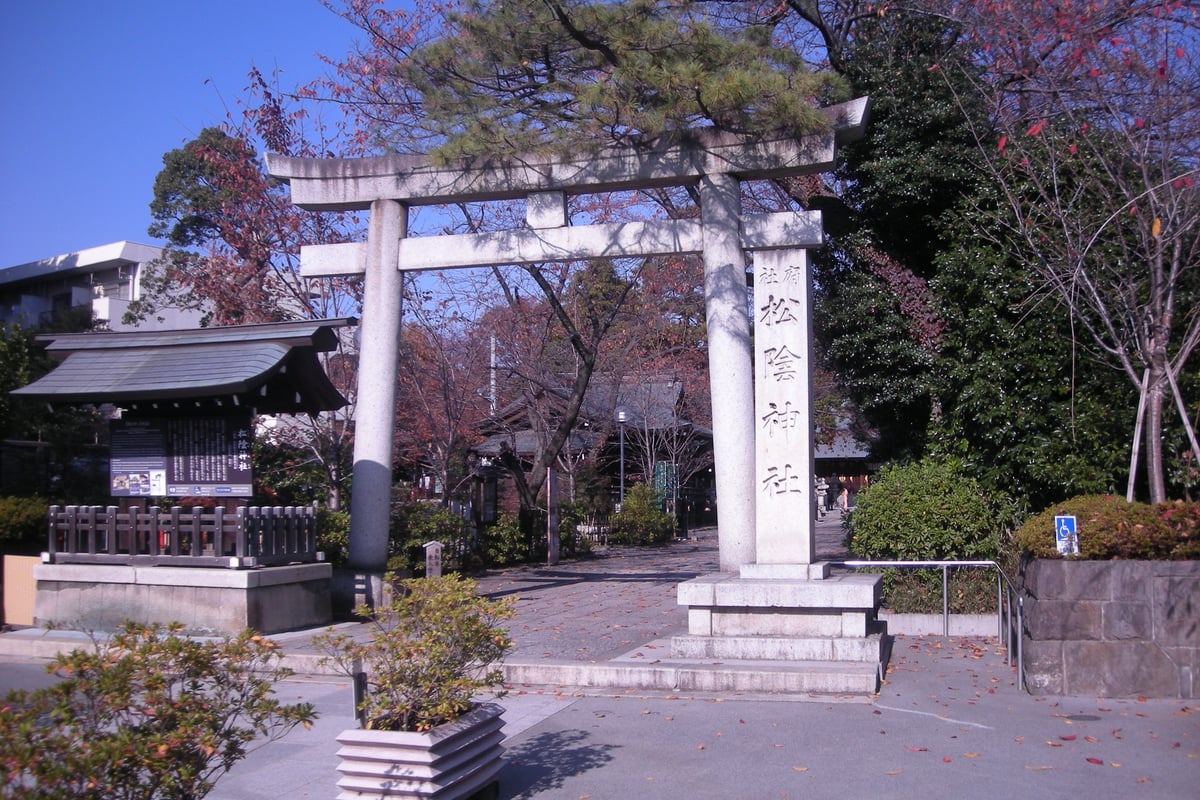
Shoin Jinja Shrine松陰神社
A shrine dedicated to Yoshida Shoin, a late-Edo-period thinker whose students included figures who went on to shape the Meiji Restoration, such as Ito Hirobumi and Yamagata Aritomo. Many exam-takers visit as a god of learning. The grounds also feature a building modeled on his Shoka Sonjuku school, making it a perfect spot for parents and children to learn about history together.
🚶 3 min walk from Shoin-Jinja-mae Station
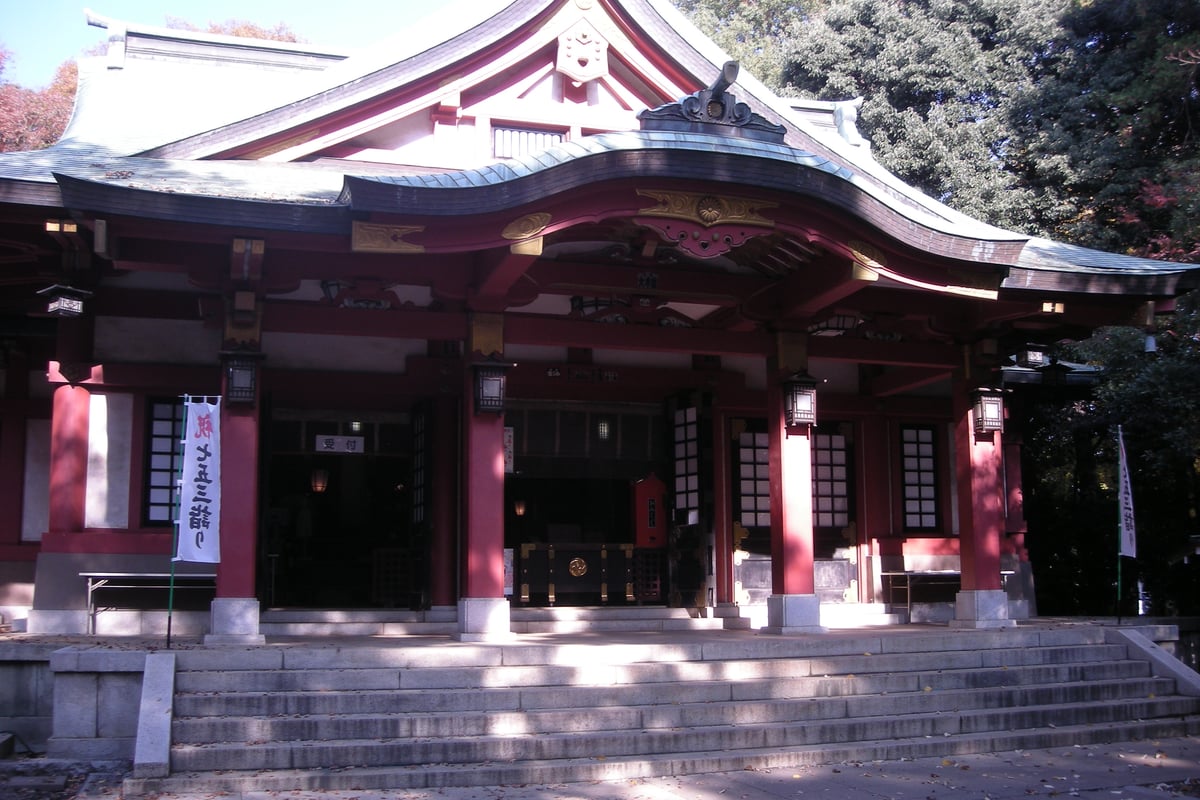
Setagaya Hachimangu Shrine世田谷八幡宮
An old shrine said to have been founded in the Heian period, with a sumo ring on its grounds said to have once been one of the three great sumo venues on the outskirts of Edo. Every September, the annual festival features dedicatory sumo matches, letting visitors watch thrilling bouts up close — a spot to experience history and tradition firsthand.
🚶 5 min walk from Miyanosaka Station
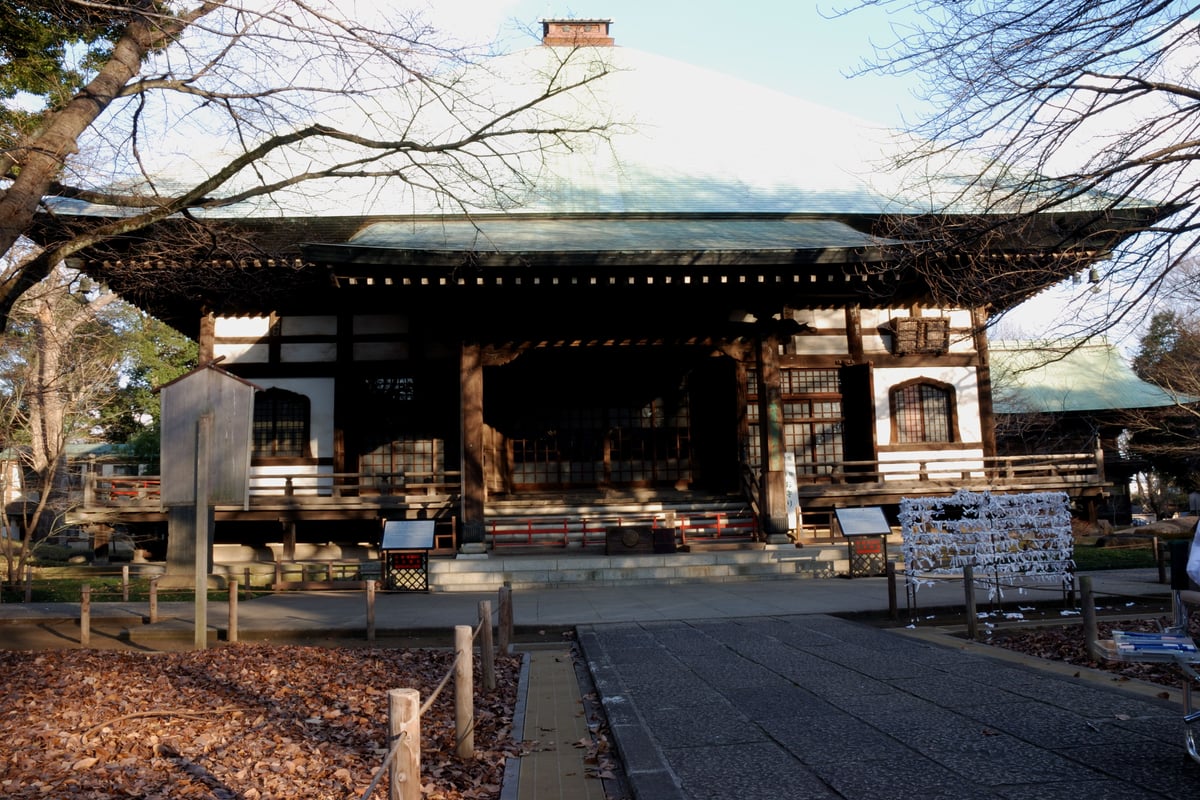
Kuhonbutsu Joshin-ji Temple九品仏浄真寺
An old Jodo-sect temple founded in 1665. Nine statues of Amida Nyorai, three each in three separate halls (commonly called "Kuhonbutsu," or "Nine Buddhas"), are enshrined here, and the spacious grounds feature a Nio gate, a bell tower, and trees that change with the seasons. Located right by Kuhonbutsu Station on the Tokyu Oimachi Line, it's a great spot for parents and children to enjoy a quiet historical stroll and some nature observation together.
🚶 1 min walk from Kuhonbutsu Station
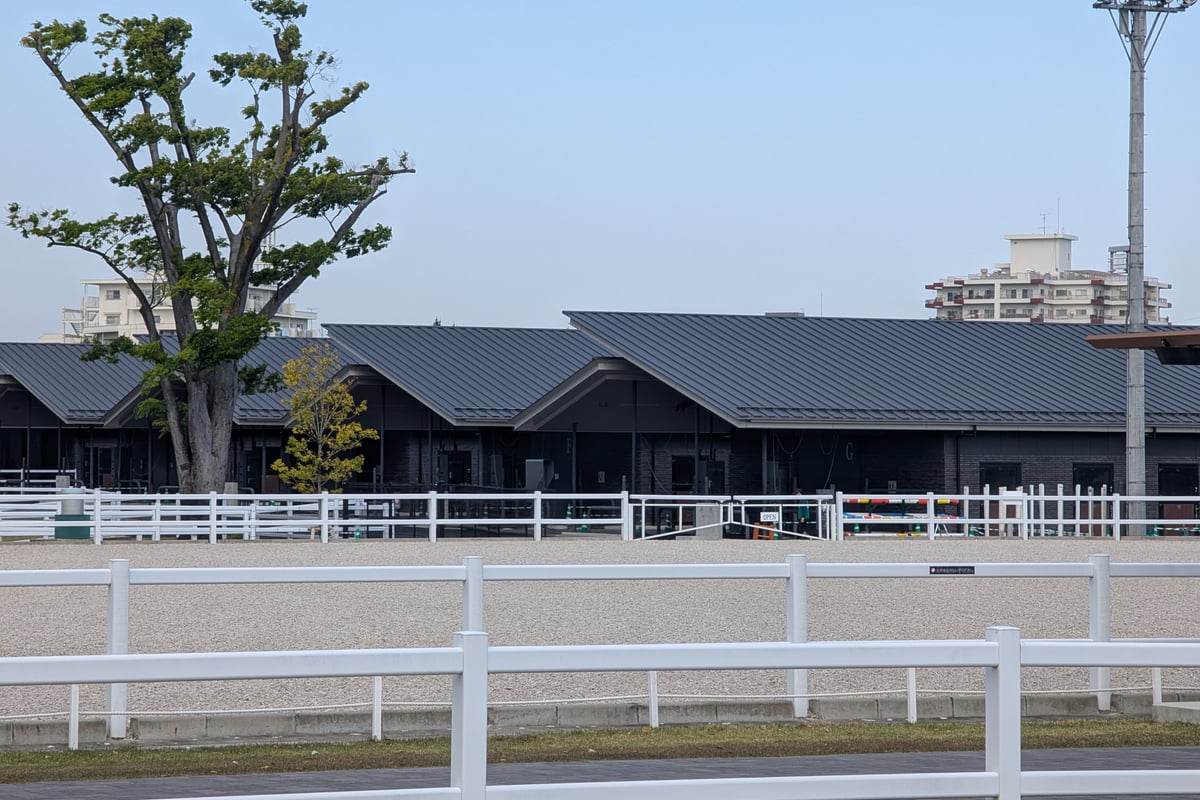
JRA Bajikoen (Equestrian Park)馬事公苑
A horse-riding facility operated by the Japan Racing Association (JRA). Opened in 1940, it served as the venue for the dressage events at both the 1964 and 2021 Tokyo Olympics. Following a renewal in November 2023, it added family-friendly highlights such as a "Kids Plaza" with play equipment and horse simulators, letting visitors get close to horses while being active.
🚶 20 min walk from Yoga Station


